How to Start Freelancing in 2026: The Complete Beginner’s Roadmap
Freelancing is one of the few side incomes you can start this week with skills you already have. This guide walks through picking a skill, building a tiny portfolio, choosing between Upwork and Fiverr, pricing so the fees and taxes don’t eat your pay, and landing that first client.
Freelancing means selling a skill directly to clients instead of to one employer. In 2026 you can start for free on Upwork or Fiverr, but Upwork takes a flat 10% of what you bill and Fiverr takes 20%, so your rate has to be set with that cut in mind. Most beginners get their first paid job within a few weeks by picking one narrow skill, showing three portfolio samples, and sending short personalized pitches every day. Once money comes in, the IRS treats you as self-employed, which means a 15.3% self-employment tax on top of income tax and quarterly estimated payments.
Almost half of people who try freelancing quit in the first few months. Not because the work dries up. They quit because they priced a $25 job, watched Upwork and taxes take a third of it, and decided it wasn’t worth the effort.
This guide is built to stop that from happening to you. It covers the six steps to your first client, the real fee math on each platform, and the tax stuff nobody warns you about. I’ve kept the numbers current as of late August 2026 and linked every source so you can check them yourself.
And a quick note before we start. This is general information, not personalized financial or tax advice. For anything specific to your situation, talk to a licensed tax professional or CPA.
What is freelancing, and is it worth starting in 2026?
Freelancing is contract work. You do a defined project or ongoing task for a client, invoice them, and move on. No boss, no salary, no benefits. You’re a one-person business.
It’s a real economy now, not a fringe thing. Upwork’s Freelance Forward study counted 64 million Americans freelancing in 2023, adding about $1.27 trillion to the economy. Their newer Future Workforce Index found people who freelance full-time reported a median income of $85,000, a bit above the $80,000 median for full-time employees.
Is it worth it for you? Honestly, it depends on your patience for the first 60 days. The first client is the hard part. After that, referrals and repeat work compound and it gets much easier.
Freelancing fits you if you have a skill a business will pay for, a few hours a week to start, and the discipline to pitch when nobody is making you. It doesn’t fit if you need money this Friday, because first payouts usually take a few weeks.
Step 1: Which skill should you freelance with?
Pick one skill. Not three. The fastest path to a first client is being obviously good at a single narrow thing.
Beginner-friendly skills that businesses actually hire for: writing, graphic design, virtual assistant work, bookkeeping, social media management, proofreading, basic web work, and data entry. If you already do one of these at a job or as a hobby, start there.

The mistake almost everyone makes here is going broad to seem more hireable. “I can write, design, and manage your socials” reads as weak. A client hiring a “SaaS email copywriter” or a “Shopify product photographer” knows exactly what they’re getting, and specialists get picked first.
Test your idea in 10 minutes. Search your skill plus “jobs” on Upwork without logging in. If you see fresh postings from the last day or two, there’s demand. If the page is stale, pick a different angle.
Short on time? Do just these two things this week. Write down the one skill. Then find five real job posts that need it and save them. That’s step 1 done.
If you have a niche background (nursing, real estate, accounting, a trade), lean into it hard. “Freelance writer” competes with everyone. “Freelance writer with 6 years in dental practice management” competes with almost no one and charges more.
Step 2: How do you build a portfolio with no clients?
You make the samples yourself. Nobody checks whether a portfolio piece was paid work.
Create three samples that look exactly like the work you want to be hired for. A writer drafts three blog posts for imaginary but realistic companies. A designer mocks up three brand kits. A VA builds a sample inbox-management system and a project tracker.
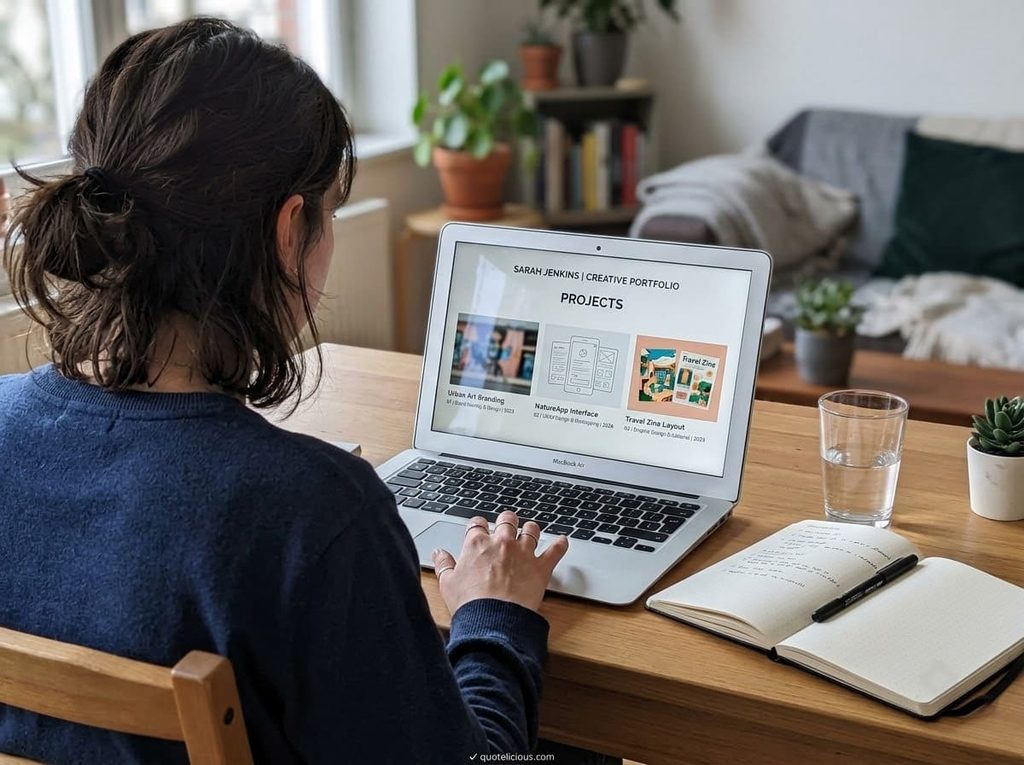
Then do one free or cheap real project. A local business, a friend’s shop, a nonprofit, a campus group. You’re trading the work for a testimonial and permission to show the result. Keep it small, one week max, so you don’t get stuck.
The specific mistake here is doing free work with no deliverable you can show. If you can’t post it in your portfolio or quote the client’s feedback, it didn’t build your business. Agree on both before you start.
Put the samples somewhere with a link. A free Notion page, a Google Drive folder, a one-page site on Carrd. It doesn’t need to be fancy. It needs to load fast and show three things clearly.
One tip worth bookmarking: write a two-sentence caption under each sample explaining the goal and the result. “The client wanted more newsletter signups. This landing page copy lifted their conversion from 1.2% to 2.1%.” Even on a made-up sample, framing it around a business result is what makes buyers trust you.
Step 3: Upwork, Fiverr, or find clients directly?
All three work. They just cost different amounts and reward different things. Here’s the real math.

| Platform | What it takes from you | How you get work | Best for beginners because |
|---|---|---|---|
| Upwork | Flat 10% service fee on everything you bill, plus Connects to apply (about $0.15 each, roughly 2 to 6 per proposal) | You send proposals to job posts | Higher budgets, long-term contracts, clients expect to pay real rates |
| Fiverr | 20% of every order, including tips and extras | Clients find your gig listing and buy | No pitching, you set up a gig and wait, good if writing proposals drains you |
| Direct (your own outreach) | 0% platform fee, but payment processor takes 2.9% plus $0.30 | Cold email, referrals, social, networking | Keeps all the money, but you do all the client-finding yourself |
Sources: Upwork’s fee is a flat 10% for all freelancers in 2026, replacing the old tiered model. Connects cost about $0.15 each in bundles, with most proposals running 2 to 6 Connects. Fiverr keeps 20% of each order, tips and gig extras included.
Why the fee structure matters, not just the number. Fiverr’s 20% feels worse, but you spend zero hours pitching, so on small quick gigs your effective hourly can still win. Upwork’s 10% plus Connects rewards people who write good proposals and land bigger contracts, because the percentage is the same whether the job is $50 or $5,000.
My honest take: start on Upwork if you can write a clear pitch, start on Fiverr if pitching makes you freeze up, and move clients to direct invoicing once they know and trust you. Most experienced freelancers use the platforms as a client-acquisition tool, not a permanent home.
The mistake to avoid is trying to take a client off-platform too early to dodge the fee. Both platforms ban it, and Upwork can close your account. Wait until a contract is genuinely done and the relationship is solid.
Step 4: How much should you charge as a beginner?
Work backward from the money you actually keep. This is where most people underprice and then burn out.
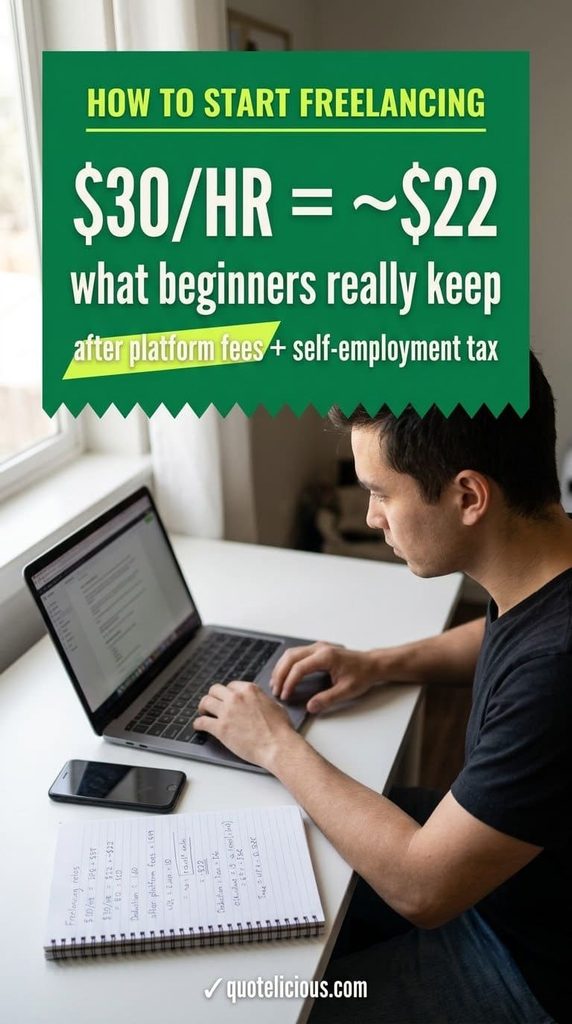
Say you want $30 an hour in your pocket. On Upwork, the 10% fee means you bill about $33. Then self-employment tax and income tax take a real bite, often 25% to 35% combined for a new freelancer. So that $33 is really more like $22 in spendable income.
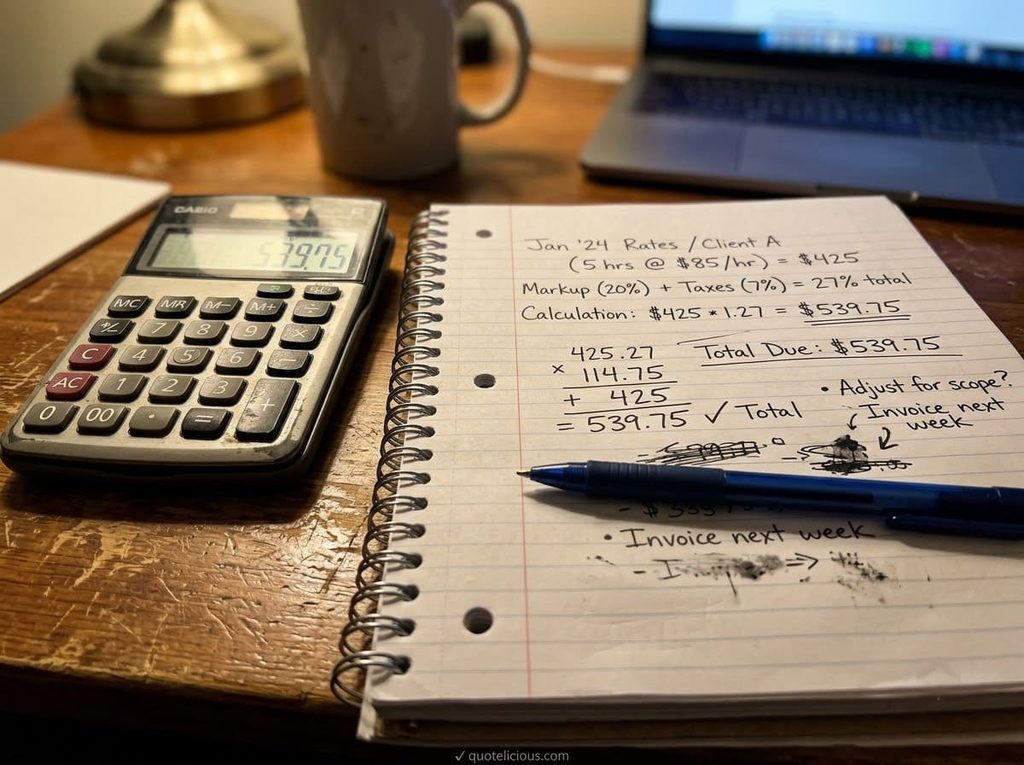
For context on the market: ZipRecruiter data cited by SUCCESS put the average US freelance rate around $48 an hour in 2025. Upwork’s own resource shows entry-level and admin work often starting near $10 to $25 an hour, with intermediate work in the $25 to $75 range. Beginners usually land in the lower half of their skill’s range for the first few months, then raise rates.
The specific mistake is setting a rate to win the cheapest jobs. Those clients are the most demanding, leave the worst reviews, and never refer you to anyone good. A slightly higher rate filters them out for you.
Two ways to price by budget. If you need cash fast, take a couple of lower jobs to get reviews, then stop. If you can wait, hold your rate and send more pitches. The second path pays far better within three months.
Set a calendar reminder to review your rate every six months. Raise it for new clients first, then give existing clients notice before their rate goes up.
Step 5: How do you land your first freelance client?
You send short, specific, personalized pitches. Every day. Volume plus relevance is the whole game early on.
A pitch that works has four parts. One line showing you read their post. One line proving you can do the exact thing they need. One link to the matching portfolio sample. One clear next step.
Skip the long intro about your passion. Clients skim. Here’s the shape:
“Saw you need a product description writer for your candle line. I write e-commerce copy that’s built to rank and convert, here are three samples in that exact style: [link]. I can send you two sample descriptions for your actual products by Thursday if that helps you decide. Want me to?”
The mistake that kills beginner pitches is making the client do work. “Let me know if you’re interested” puts the effort on them. “I can send two samples by Thursday, want me to?” gives them an easy yes.
Aim for 5 to 10 real pitches a day when you’re starting. Most will get no reply. That’s normal. The math usually works out to a first job within two to four weeks of consistent pitching, sometimes faster on Fiverr if your gig hits a good search term.
Once you finish that first job, ask two things. A review or testimonial, and whether they know anyone else who needs the same help. Referrals are how freelancing stops being a grind.
Step 6: How do freelancers get paid and handle taxes?
Payment first. On Upwork and Fiverr the platform holds the client’s money and releases it to you after the work clears, then you withdraw to a bank account or PayPal. Direct clients you invoice yourself with a tool like Wave or PayPal, with terms like “net 14,” meaning payment due 14 days after the invoice.
Now the part people ignore until it hurts. The IRS treats freelance income as self-employment income. You owe tax on it even if no client sends you a tax form.
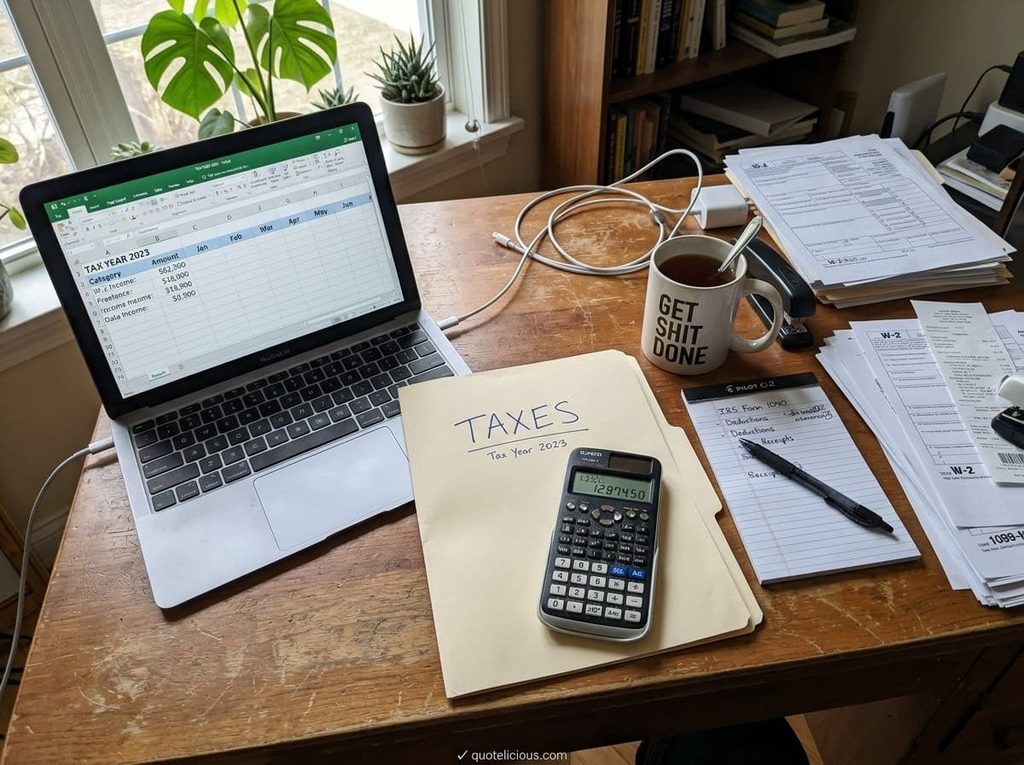
The self-employment tax rate is 15.3%, which is 12.4% for Social Security and 2.9% for Medicare. That’s on top of regular income tax. You have to file it once your net freelance earnings hit $400 in a year.
Because no employer is withholding for you, the IRS wants estimated tax paid quarterly, usually April 15, June 15, September 15, and January 15. Miss them and you can owe an underpayment penalty.
The practical move: open a separate checking account and move 25% to 30% of every payment into it the day it lands. That’s your tax money. Don’t touch it.
On tax forms, note that the 1099-NEC reporting threshold rises from $600 to $2,000 for payments made in 2026, and the 1099-K threshold went back up to $20,000 and 200 transactions after the One Big Beautiful Bill. Getting fewer forms does not mean you owe less. You still report all of it.
This is the section where a real CPA earns their fee. A one-hour consult in your first year is worth it.
What freelancing scams should beginners watch for?
The work itself is legit. The scams sit around the edges, especially in your inbox and on job boards.
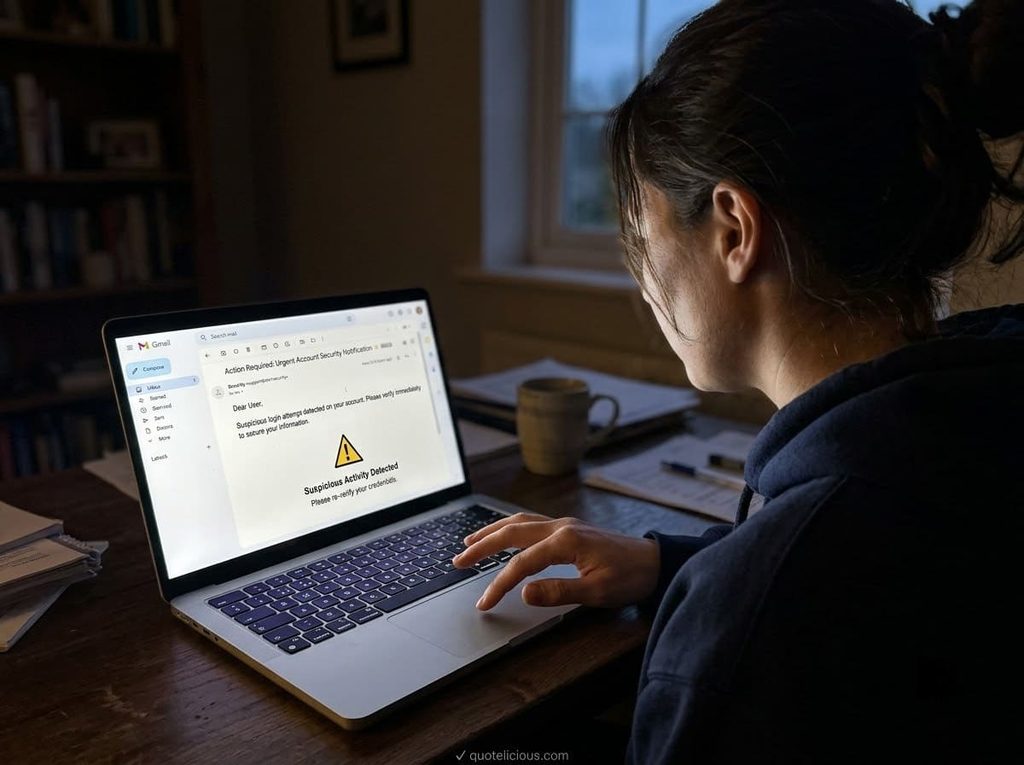
Overpayment scam. A “client” sends a check or transfer for more than agreed, then asks you to refund the difference. The original payment bounces later. Never refund an overpayment. Never accept paper checks from someone you just met online.
Free test project. A “client” asks five freelancers to each do a large unpaid sample, then ghosts everyone and uses the free work. A real paid test is small, 30 minutes or less, or it’s paid. Anything bigger, decline or charge for it.
Off-platform payment bait. Someone on Upwork immediately wants to move to Telegram and pay in gift cards or crypto. That’s always a scam. Legit clients are fine using the platform’s escrow.
Upfront fee to get hired. Any “job” that asks you to pay for training, a starter kit, or a background check before you start is a scam. Money flows to the freelancer, never from.
Quick gut check on any platform: look at the client’s verified payment badge, hire history, and reviews before you spend Connects. On direct outreach, be more careful, because there’s no platform holding the money in escrow.
A realistic 30-day plan to start freelancing
Here’s the whole thing on one page. It assumes about an hour a day.
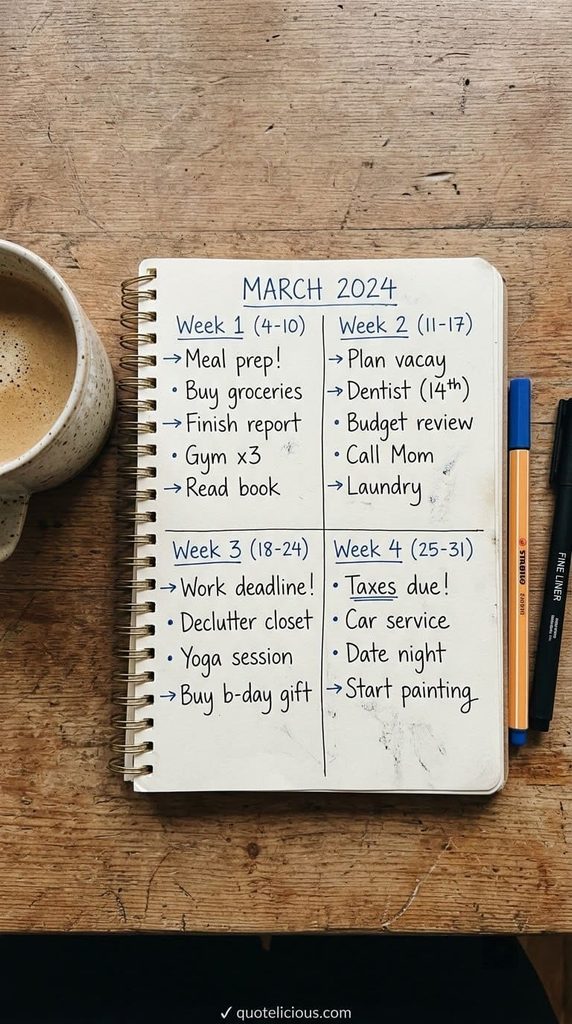
Week 1: Setup. Pick your one skill. Save five real job posts that need it. Write your positioning line (“I help [who] with [what]”).
Week 2: Portfolio. Build three samples that match those job posts. Put them on a free Notion or Carrd page. Write a result-focused caption under each.
Week 3: Profile and pitching. Set up an Upwork or Fiverr profile using your samples. Start sending 5 pitches a day. Track replies in a simple spreadsheet.
Week 4: Close and deliver. Keep pitching. Take the first reasonable offer even if the rate is a little low, treat it as your review-getter. Deliver well, ask for a testimonial and a referral.
Most people who actually do this land a first paid job in the first month or the one right after. The ones who don’t usually skipped the daily pitching, not the setup.
Recommended tools
These are the three that connect directly to the steps above. Prices and availability change, so confirm each before you buy or sign up.
Wave Accounting (free tier). Send professional invoices, track which clients have paid, and tag expenses so tax time isn’t a shoebox of receipts. The free plan covers everything a solo freelancer needs in year one, which is why it shows up in step 6.
Notion (free personal plan). This is where your portfolio page, your pitch tracker, and your client notes all live in one link you can send to anyone. Step 2 and step 5 both run on something like this, and the free plan is enough.
Canva (free plan). For designers, VAs, and social media managers, this is how you build the three portfolio samples in step 2 without owning pro design software. It also makes the case-study captions and simple client deliverables look presentable from day one. The free plan is enough to start.
Freelance income is taxable self-employment income and the figures above (platform fees, IRS thresholds, rate data) change frequently. This article is general information, not personalized financial, legal, or tax advice. Confirm current numbers with the linked sources and talk to a licensed CPA or tax professional about your own situation.
Frequently asked questions
How much money do I need to start freelancing? Close to zero. Upwork and Fiverr are free to join. Your only real early costs are optional Connects on Upwork (a few dollars a week) and maybe a $19 domain if you want your own site. Everything else, portfolio hosting, invoicing, project tracking, has a free version.
How long until I get my first client? For most people doing consistent daily outreach, two to four weeks. Fiverr can be faster or slower depending on whether your gig lands on a searched term. The single biggest factor is how many relevant pitches you send, not your skill level.
Do I need an LLC to freelance? Not to start. In the US you can freelance as a sole proprietor using your own name and Social Security number, and report the income on Schedule C. An LLC adds liability separation and can have tax benefits later, but it’s a step you take once you have steady income, ideally with a CPA’s input.
Is Upwork or Fiverr better for beginners? Upwork if you can write a clear, specific pitch and want bigger contracts. Fiverr if pitching drains you and you’d rather set up a listing and let buyers come to you. The fee difference (10% versus 20%) matters less at the start than which one you’ll actually stick with.
How do I avoid getting scammed as a new freelancer? Use the platform’s escrow and never move to gift cards, crypto, or paper checks. Refuse large unpaid test projects. Never pay a fee to get hired. Check the client’s payment-verified badge and review history before spending time on a proposal.
What percentage should I save for taxes? A common rule of thumb for new US freelancers is 25% to 30% of each payment, moved to a separate account the day it arrives. Your exact number depends on your total income and state, which is worth confirming with a tax professional in year one.