
How to Save Money in 2026: 50 Realistic Ways to Cut Your Monthly Costs
Saving money isn’t about giving up coffee. It’s about finding the few recurring costs that quietly drain your budget and fixing them once. This guide has 50 realistic ways to cut your monthly spending, sorted by category and ranked by how much each one actually saves, with a named source behind every dollar figure.

Never miss an update — choose Quotelicious as your preferred source on Google.
How it works: Tap the button below to open Google’s settings page, then check the box next to Quotelicious.
Tap the checkbox to turn it blue — that’s how you know it’s set.
The fastest way to save money is to cut recurring costs once instead of chasing small daily savings. The average US household spends about $78,535 a year, and roughly two-thirds of that goes to housing, transportation, and food, so those three categories are where real money hides. Start by tracking one month of spending, then work through the biggest categories in order: renegotiate or drop subscriptions and phone plans, shop your insurance, move cash to a high-yield savings account, switch to store brands, and set your thermostat back. Most households can free up $200 to $500 a month this way without a big lifestyle change.
I used to think saving money meant being the kind of person who reuses tea bags. Then I actually tracked my spending for a month and found $140 in subscriptions I’d forgotten about, plus a phone bill twice what it needed to be. Fixing those two things took an afternoon.
That’s the whole idea here. The small stuff adds up slowly. The recurring stuff adds up fast, and you only have to fix it once. This guide has 50 moves, grouped by category and ordered so the highest-impact ones come first.
Every dollar figure comes from a named source with a link. And a quick note: this is general information, not personalized financial advice. For your specific situation, talk to a licensed financial professional.
How much can you realistically save each month?
More than you’d think, but not from any single trick. The savings come from stacking a handful of medium wins.
Here’s a rough ranking of where the money is, based on average spending data and the savings each category realistically allows.
| Category | Typical monthly savings | Effort | Where to start |
|---|---|---|---|
| Subscriptions and streaming | $50 to $160 | Low, one hour | Item 6 |
| Phone, internet, TV | $30 to $80 | Low, one call | Item 13 |
| Groceries and food waste | $80 to $250 | Medium, ongoing | Item 8 |
| Car insurance and costs | $40 to $100 | Low, one afternoon | Item 18 |
| Banking fees and interest earned | $10 to $50 | Low, one hour | Item 22 |
| Debt interest | $20 to $200 | Medium | Item 26 |
| Utilities | $20 to $60 | Low | Item 11 |
| Everyday and impulse spending | $50 to $200 | Hard, habit | Item 30 |
The average US household spends about $78,535 a year, with housing, transportation, and food making up over half of it, per the Bureau of Labor Statistics. That’s your map. Big categories, big savings.
Where does your money actually go?
You can’t cut what you can’t see. This is the one step people skip, and it’s the one that makes everything else work.
1. Track every dollar for 30 days. Use an app, a spreadsheet, or a notes file. The goal isn’t judgment, it’s a real picture. Most people are surprised by two or three categories.
2. Sort last month’s bank and card statements into categories. Faster than tracking forward if you want answers today. Highlight anything recurring.
3. Add up your “small” recurring charges as one number. Five $12 subscriptions feels like nothing. Seeing “$60 a month, $720 a year” on one line changes the decision.
4. Find your three biggest non-essential categories. For most households it’s some mix of eating out, subscriptions, shopping, and rideshares. Those are your targets.
The mistake here is tracking for a week and calling it done. A week misses the quarterly insurance bill, the annual membership renewal, and the one big unplanned purchase. Give it a full month, ideally two.
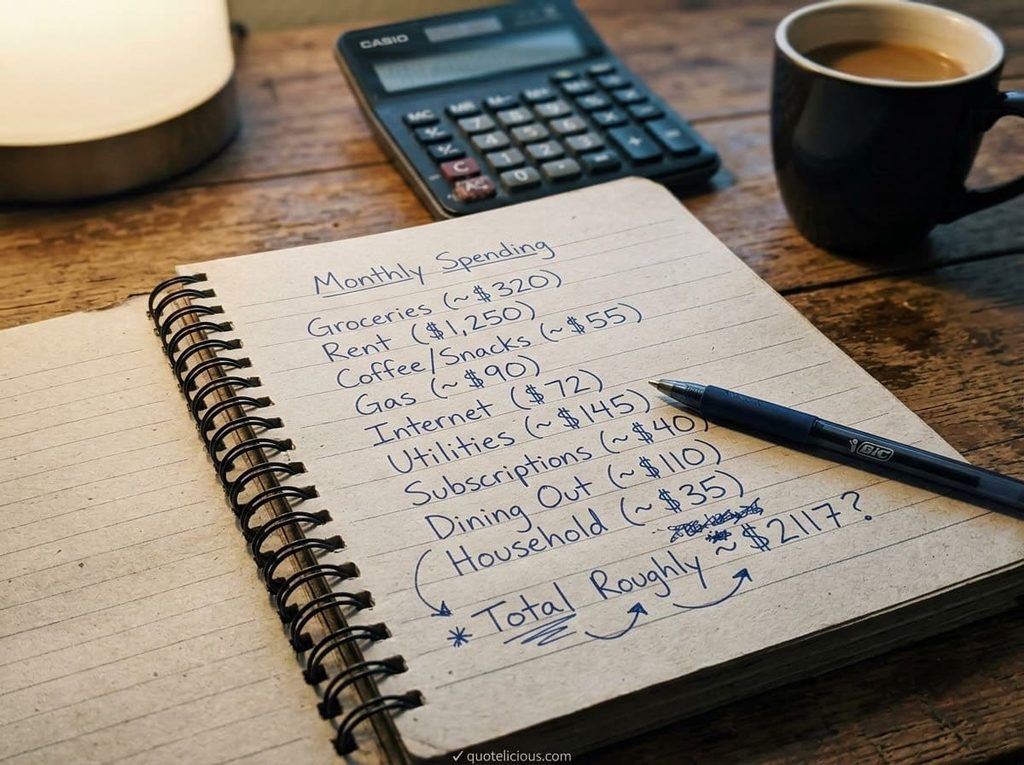
Once you have the picture, the deep-dive on building a system that sticks is in how to set up a budget planner.
How do you cut your grocery bill?
Food is about 13% of the average household budget, roughly $10,130 a year in the same BLS data. Small percentage changes here are real money.

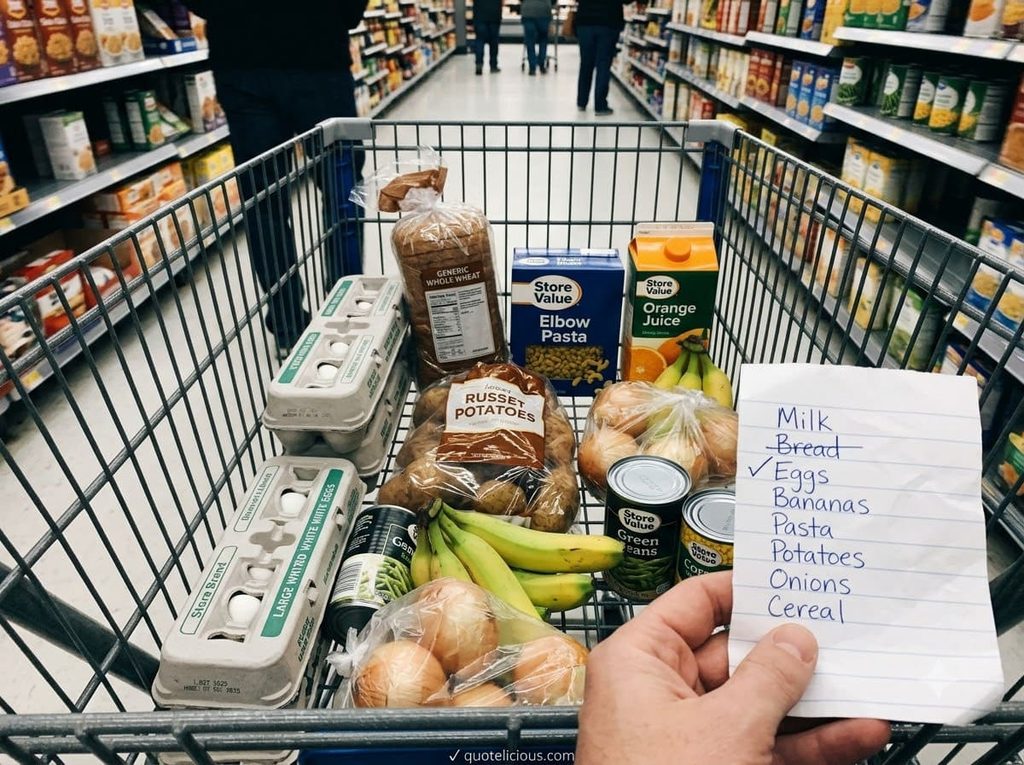
5. Switch to store brands. Consumer Reports found shoppers who buy the store brand save about 25% on average, with some staples 50% cheaper or more. In a blind study, most people couldn’t tell the difference with the label off. Start with pantry basics like pasta, canned goods, and spices where the gap is widest.
6. Plan meals around what’s already in your kitchen. Cook from the pantry and freezer first, then shop the gaps. This is the single biggest lever on food waste.
7. Cut food waste. The USDA and EPA estimate the average person tosses about $728 of food a year, close to $2,913 for a family of four. Freeze what you won’t eat in time. Learn that most “best by” dates are quality, not safety.
8. Shop with a list and a full stomach. Hungry, list-free shopping is how $40 trips become $75 trips. It sounds like a cliché because it’s true.
9. Check the unit price, not the shelf price. The bigger package isn’t always cheaper per ounce. Most shelf tags show unit price in small text, so use it.
10. Skip most pre-cut and pre-portioned food. Pre-sliced fruit, shredded cheese, and single-serve anything carry a big convenience markup. Buy the block, the bag, the whole thing.
For a full walkthrough, see how to save money on groceries.
How do you lower your utility bills?
Utilities are smaller than housing or food, but the fixes are close to free and permanent.
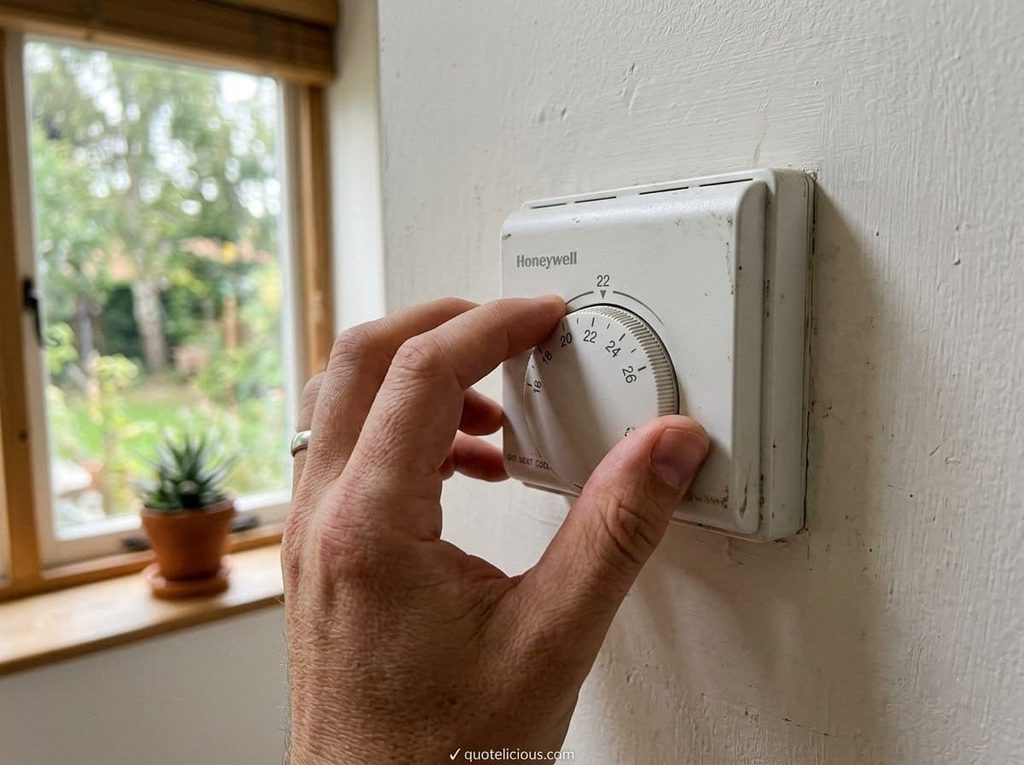
11. Set your thermostat back 7 to 10 degrees while you’re out or asleep. The Department of Energy estimates this saves about 10% a year on heating and cooling, roughly 1% for each degree over an 8-hour stretch. A basic programmable thermostat does it for you.
12. Replace your most-used bulbs with LEDs. An LED uses about 75% to 85% less energy than the old incandescent it replaces and lasts years. Do the kitchen, living room, and porch first.
13. Wash clothes in cold water and air-dry when you can. Most of a washer’s energy goes to heating water. Cold-water detergent works fine for everyday loads.
14. Unplug or power-strip the electronics you’re not using. Standby power from TVs, game consoles, and chargers is a small constant drain. A switched power strip kills it in one click.
15. Ask your utility about budget billing and off-peak rates. Budget billing smooths the seasonal spikes so you can plan. Some utilities charge less for power used at night.
How do you stop wasting money on subscriptions?
This is the fastest win in the whole guide. Most people are genuinely shocked here.
16. List every subscription and its real annual cost. A Self Financial survey found the average value of subscriptions people forget they’re paying for reached about $26.79 a month, close to $205 a year, and most people underestimate their total subscription spending badly. Check your card statement line by line.
17. Cancel anything you haven’t used in 30 days. That $205-a-year figure for unused services is the low end, since it only counts what people admit they forgot. If you miss something after canceling, resubscribing takes two minutes.
18. Rotate streaming services instead of stacking them. Keep one at a time. Watch what you want on it, cancel, move to the next. The content doesn’t expire.
19. Downgrade to ad-supported tiers where you don’t care. The ad tier is usually several dollars a month cheaper for the same catalog.
20. Share family plans with actual family. Most services allow it within a household. Split four ways, a $20 plan is $5 each.
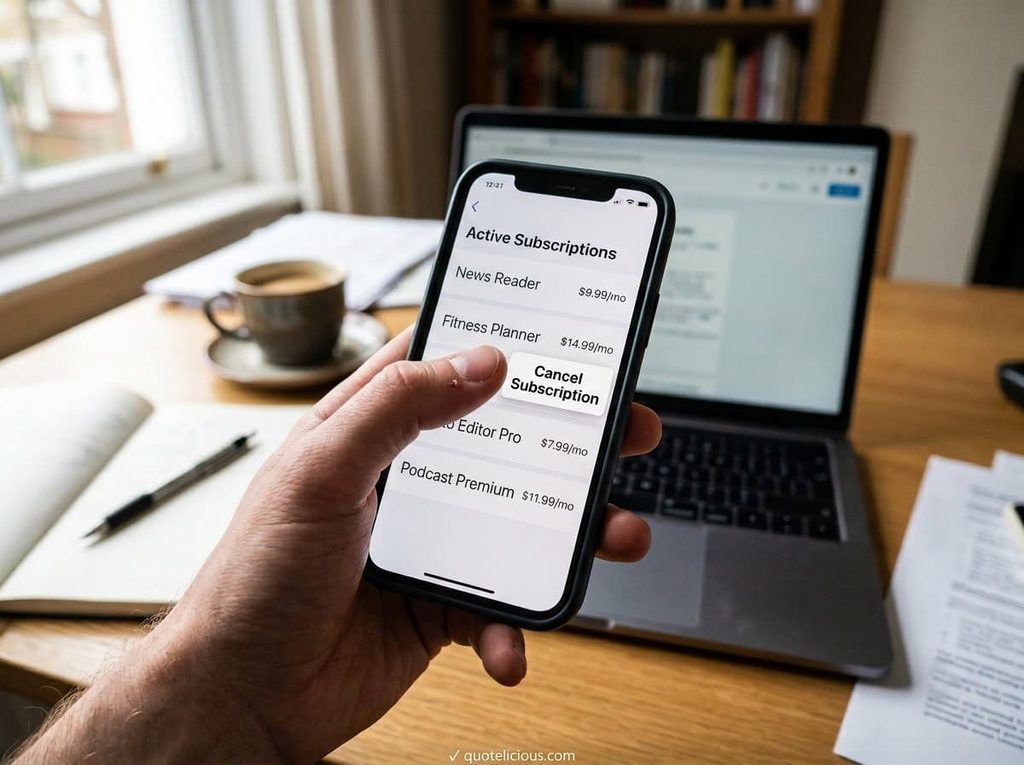
The mistake is canceling everything in a burst of motivation, then resubscribing to half of it within a month because you cut things you actually valued. Cut by usage, not by guilt.
How do you cut your phone, internet, and TV bills?
These are negotiable. The price you’re paying is rarely the best price they’ll give you.

21. Switch to a smaller carrier that runs on the same network. Big carriers run $60 to $100 a month per line. Smaller carriers on the identical towers run $25 to $30, and switchers report saving around $456 a year on average. Your phone and coverage don’t change.
22. Call your internet provider and ask for the current promo rate. Say you’re considering canceling. Ask for retention. This works more often than not, and it takes 15 minutes once a year.
23. Buy your own modem and router. The monthly equipment rental fee adds up to more than the hardware costs within a year or so.
24. Drop cable TV for an antenna plus one streaming service. A one-time antenna gets you local channels and network shows for free.
25. Audit your plan’s data tier. If you’re on wifi most of the day, you’re probably paying for unlimited data you don’t use.
How do you spend less on transportation?
Transportation is about 17% of the average budget, roughly $13,351 a year, second only to housing in that BLS breakdown. This is high-value territory.
26. Keep your current car longer. A paid-off car with no payment is the cheapest car you’ll ever have. Maintenance is almost always cheaper than a new monthly payment.
27. Shop your car insurance every year at renewal. Consumer Reports’ 2024 survey found people who switched saw a median savings of $461 a year. Get quotes from three to five companies.
28. Raise your deductible if you have an emergency fund. Going from a $250 to a $500 or $1,000 deductible lowers your premium. Only do this if you could actually cover the higher number.
29. Combine trips and keep your tires properly inflated. Underinflated tires cost you fuel. It’s a two-minute check at any gas station.
30. Compare gas prices with an app before filling up. Prices vary a lot within a few miles. On a full tank the difference is real.
How do you lower your insurance costs?
Beyond car insurance, the rest of your coverage is worth a yearly look too.

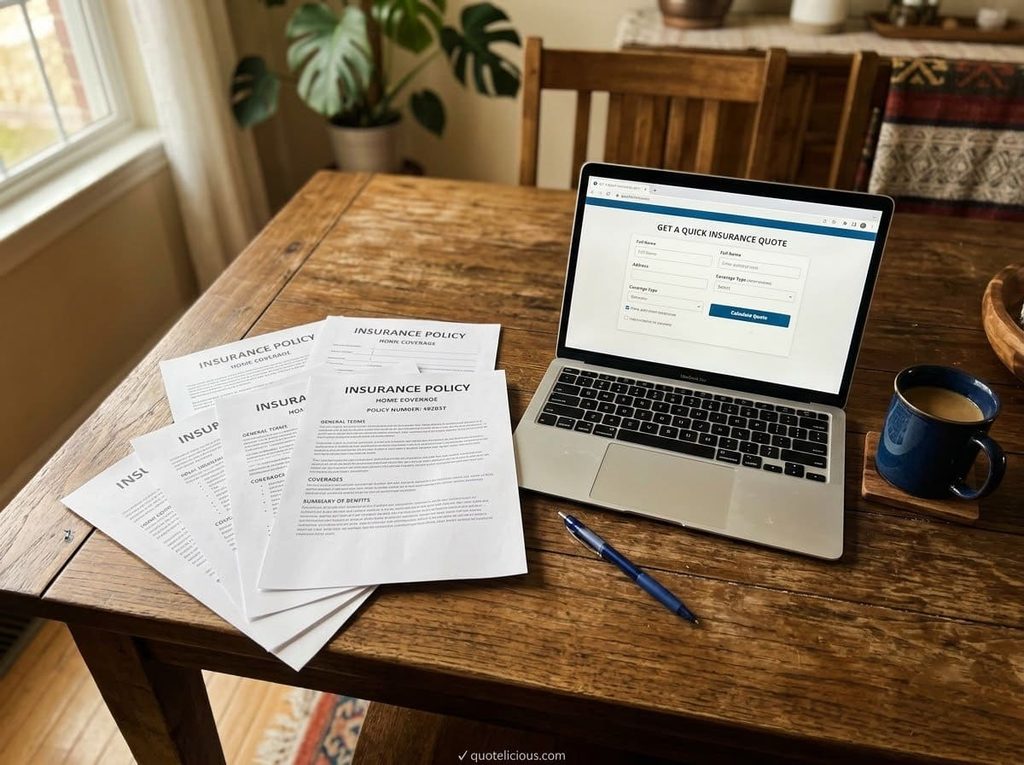
31. Bundle home or renters insurance with your auto. Most insurers give a multi-policy discount. Get the bundled quote and the separate quotes and compare.
32. Re-shop homeowners or renters insurance every couple of years. Loyalty is not rewarded in insurance. New-customer pricing usually beats your renewal.
33. Ask about every discount you might qualify for. Good driver, low mileage, security system, professional group, paperless billing. Agents don’t always apply them automatically.
34. Drop coverage that no longer fits. Collision coverage on a 15-year-old car worth $2,000 may cost more over a few years than the car is worth.
How do you cut banking fees and earn more on savings?
Your checking account should be free and your savings account should pay you real interest. Many people have this backward.

35. Move to a free checking account. The average monthly maintenance fee is about $5.47 for non-interest checking, but 47% of those accounts are free. Credit unions and online banks rarely charge it.
36. Turn off overdraft “coverage.” Bankrate’s same survey puts the average overdraft fee at $26.77 per hit. Opting out means a declined transaction instead of a $27 charge.
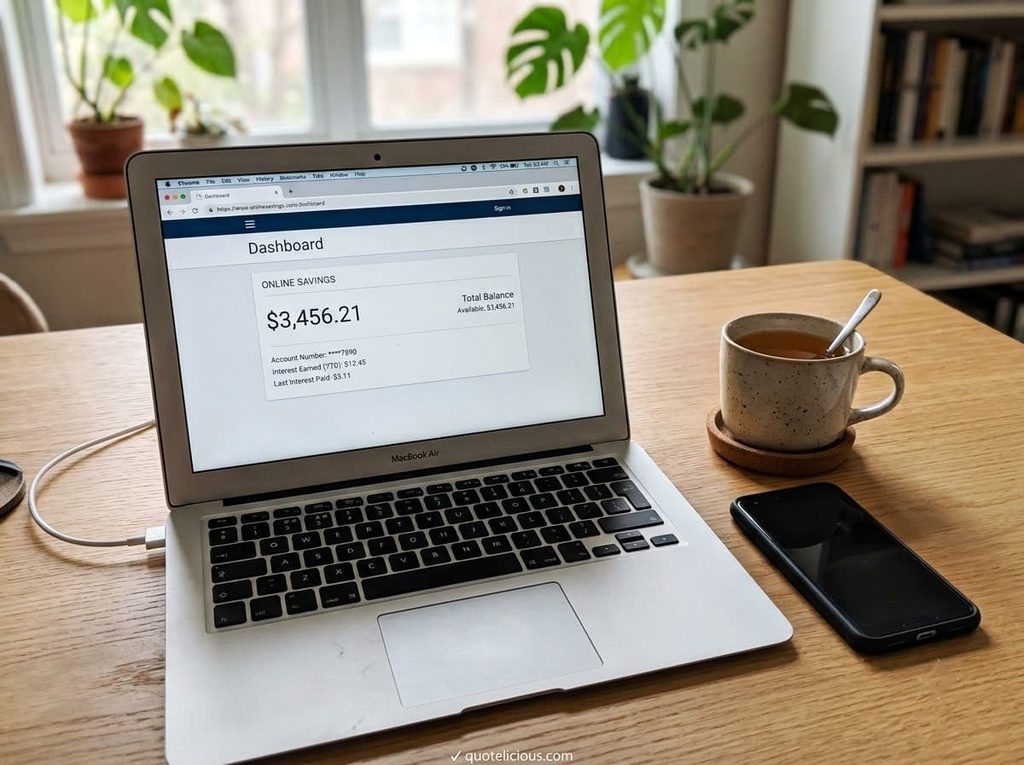
37. Move your emergency fund to a high-yield savings account. The national average savings rate is around 0.38% to 0.63%, while online high-yield accounts pay near 4%. On $5,000 that’s the difference between about $30 and $200 a year, for the same safety.
38. Use only your own bank’s ATMs. Out-of-network ATM fees stack a charge from your bank and the machine’s owner. Plan ahead or get cash back at checkout.
How do you spend less on debt and interest?
Interest is money you pay for nothing. Cutting it is one of the highest guaranteed returns you can get.
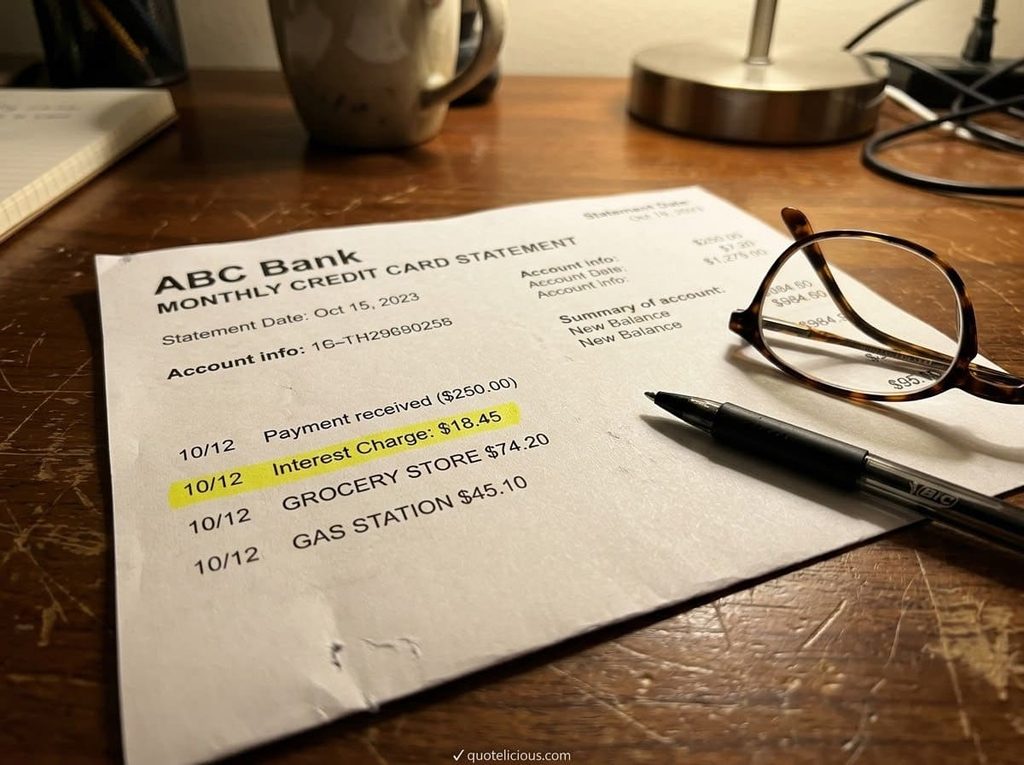
39. Pay more than the minimum on your highest-rate debt. Minimum payments are designed to keep you in debt for years. Any extra goes straight to principal.
40. Call your credit card company and ask for a lower APR. If you have a decent payment history, this sometimes works with one phone call.
41. Look into a balance transfer card with a 0% intro period. If you can pay the balance off within the promo window, you skip a lot of interest. Watch the transfer fee and the date the promo ends.
42. Refinance high-rate debt only if the math clearly works. Lower rate, and you don’t just extend the term and pay more overall. Run the total-cost numbers, not just the monthly payment.
For the structured approach, see the Dave Ramsey baby steps and how the cash envelope system works.
How do you cut everyday and impulse spending?
This is the hardest category because it’s habit, not a one-time fix. But it’s also where a no-spend reset helps most.
43. Wait 24 hours on any non-essential purchase over $50. Most impulse buys don’t survive a day of thinking. Keep a list of things you wanted and see how few you still want a week later.
44. Unsubscribe from retailer marketing emails. You can’t impulse-buy a sale you never saw. This one is quietly powerful.
45. Delete saved payment info from shopping apps. Adding your card back in is just enough friction to break the autopilot purchase.
46. Try a no-spend week or weekend. No discretionary spending for a set period. It resets your baseline and shows you what you actually miss.
47. Bring lunch and coffee most days, not every day. The all-or-nothing version fails. Three days a week of packed lunch still saves real money without feeling like punishment.
For a full plan, see how to do a no-spend challenge and how to run a money-saving challenge.
How do you save on healthcare and prescriptions?
Small moves here, but the prescription one can be large if you take a regular medication.
48. Ask for the generic every time. The FDA estimates generics cost 80% to 85% less than the brand-name version and are held to the same standards. Most doctors will write generic if you ask.
49. Compare pharmacy prices and use a discount coupon. The cash price for the same drug varies a lot between pharmacies. A free discount tool sometimes beats even an insurance copay.
50. Use pre-tax accounts if your job offers them. An FSA or HSA lets you pay for medical costs with money that was never taxed. That’s an instant discount equal to your tax rate.
How do you save on housing?
Housing is the biggest line in almost every budget at about a third of spending, near $26,266 a year on average per BLS. The moves are bigger and slower, but they matter most.

Negotiate your rent at renewal, especially if you’ve been a reliable tenant and comparable units are listed lower. Landlords lose money on turnover. A polite email with two or three comps can hold your rent flat or better.
If you own, check whether refinancing makes sense when rates drop, and appeal your property tax assessment if it looks high compared to recent sales nearby. A successful appeal lowers your bill every year, not just once.
A roommate, a smaller place at your next move, or renting out a spare room changes the math more than every other tip in this guide combined. It’s not for everyone. But if the numbers are tight, housing is the honest place to look.
A 30-day plan to cut your first $200 a month
You don’t do all 50 at once. Here’s the order that gets money back fastest.
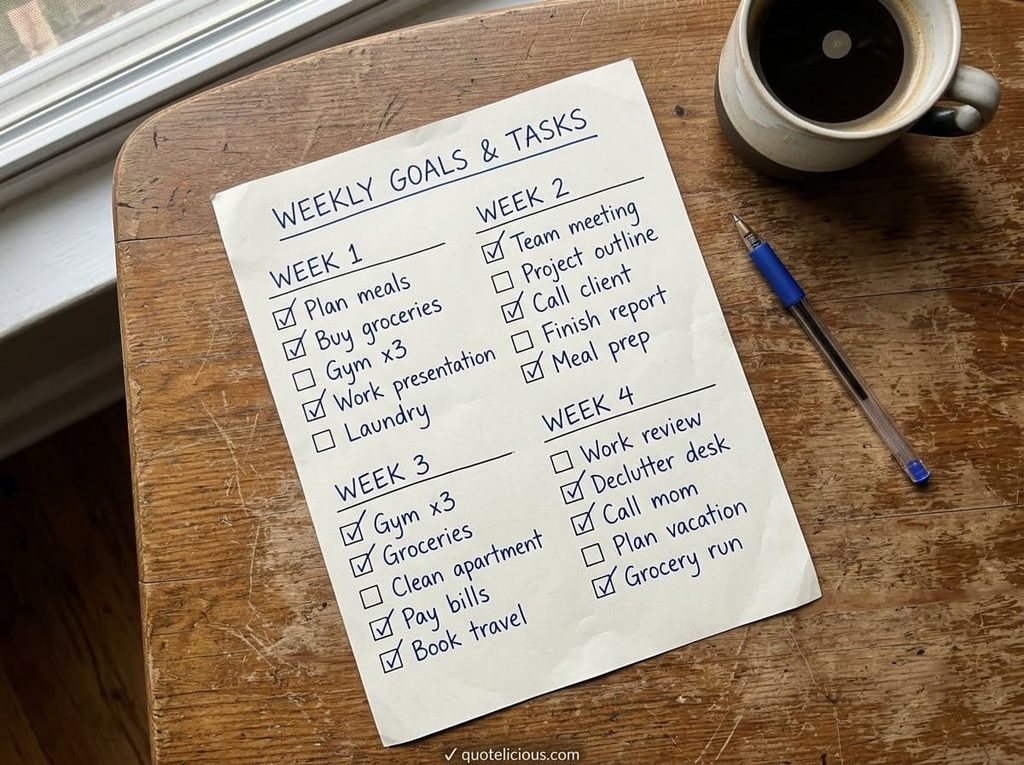
Week 1: See it. Track spending or sort last month’s statements. Add up all recurring charges as one number.
Week 2: Kill the easy recurring costs. Cancel unused subscriptions. Switch to a smaller phone carrier. Call your internet provider for the promo rate.
Week 3: Shop the big annual bills. Get three car insurance quotes. Open a high-yield savings account and move your emergency fund. Turn off overdraft coverage.
Week 4: Set the habits. Switch to store brands on your next grocery trip. Set your thermostat schedule. Pick one everyday-spending habit to change.
Do just that, and $200 a month is realistic for most households. The rest of the list is there for when you want to go further.
Recommended tools
Three tools that map directly to the steps above. Prices and features change, so confirm each before you sign up.
NerdWallet (free). Free spending tracker and account dashboard that pulls all your transactions into one view, which is exactly what week 1 needs. It also flags recurring charges and compares savings account rates.
Google Sheets (free). If you’d rather not link accounts to an app, a simple two-tab sheet (one for the monthly budget, one for the recurring-charges list) does everything this guide asks. Free with any Google account.
GoodRx (free). Compares cash prices for a prescription across nearby pharmacies and gives you a discount coupon, which is the tool behind item 49. Free to use, no membership needed for the basic coupons.
Interest rates, average fees, insurance pricing, and program terms in this article change frequently, and the right move depends on your income, debt, and location. This is general information, not personalized financial, tax, or legal advice. Confirm current numbers with the linked sources and talk to a licensed financial professional about your own situation.
Frequently asked questions
What’s the single most effective way to save money? Cut a recurring cost rather than a one-time one. Canceling a $15 subscription saves $180 a year from one action. Skipping one $15 takeout meal saves $15. Same effort, very different result, so start with the things that bill you every month.
How much of my income should I be saving? A common target is 20% of take-home pay, split between an emergency fund and longer-term savings. If that’s not realistic right now, start with any amount automated on payday and raise it as you cut costs. The habit matters more than the number at first.
Is it worth switching banks just for a higher savings rate? If you have a meaningful emergency fund, yes. The gap between a typical bank (under 1%) and an online high-yield account (near 4%) is real money on a few thousand dollars, with the same FDIC protection. Keep your checking where it is if you like it, and move just the savings.
How do I save money when I feel like I have nothing to cut? Track for a full month first, because “nothing to cut” is almost always a visibility problem, not a math problem. The recurring charges, the food waste, and the too-big phone plan are usually there. If they genuinely aren’t, the honest answer is that the lever is income, and side income is covered elsewhere on this site.
Are store brands really as good as name brands? For most pantry and staple items, yes, and Consumer Reports testing backs that up. For a few specific products people have strong preferences, keep the name brand and save on everything else. Blind taste tests usually can’t tell the difference.
How fast will I see results? The subscription and phone-plan cuts show up on next month’s statements. Insurance savings show up at your next renewal or right away if you switch mid-policy. Grocery and habit changes build over a couple of months.

Never miss an update — choose Quotelicious as your preferred source on Google.
How it works: Tap the button below to open Google's settings page, then check the box next to Quotelicious.
Tap the checkbox to turn it blue — that's how you know it's set.