
How to Politely Decline a Wedding You Can’t Afford
Saying no to a wedding because of money feels like rating the friendship against a dollar amount. It isn’t. Here’s word-for-word wording for texts, calls, and RSVP notes, sorted by how close you are and exactly which cost is out of reach.
Never miss an update — choose Quotelicious as your preferred source on Google.
How it works: Tap the button below to open Google’s settings page, then check the box next to Quotelicious.
Tap the checkbox to turn it blue — that’s how you know it’s set.
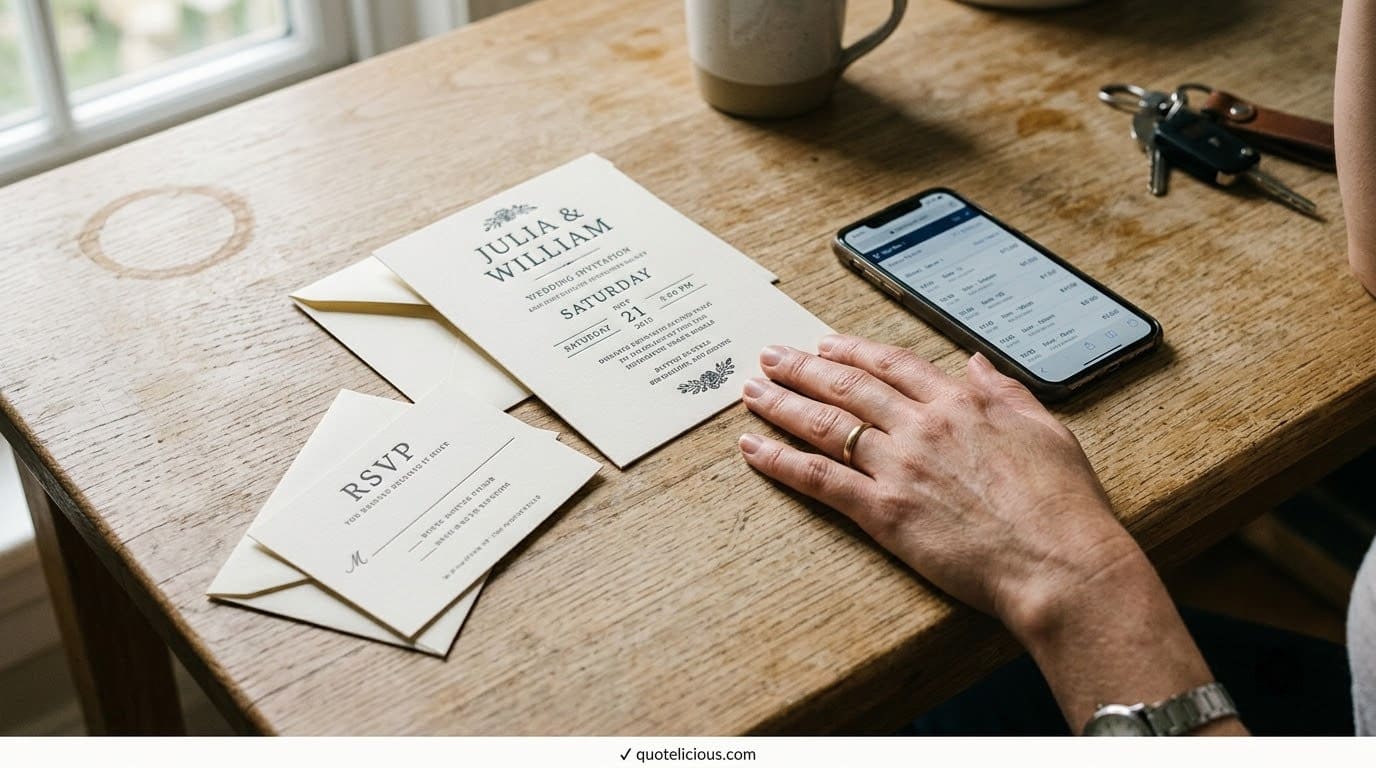
The invitation shows up looking beautiful. A save-the-date, an RSVP card, a venue two states away, and your first reaction isn’t excitement. It’s a quiet calculation of flights, a hotel, a gift, and time off work.
Then comes the second wave. Guilt, because this is someone you actually care about. And “I can’t afford it” feels like a strange thing to say out loud about someone’s wedding.
You can decline honestly without it reading as a rejection of the friendship. Below is exact wording, sorted by how close you are to the couple and by which cost is the real problem.
Why this is hard
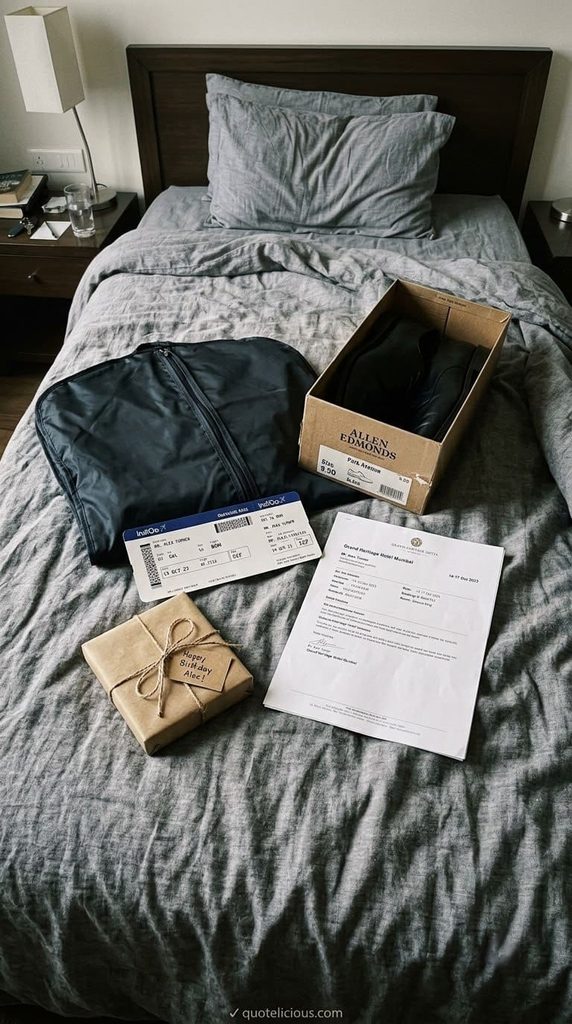
A wedding is a celebration and a bill at the same time. Turning one down can feel like you’re rating the friendship against a dollar amount, which isn’t what’s happening at all. The couple invited you because they want you there, so a money-based no can land as “you’re not worth the expense.”
It’s also public in a way most money talk isn’t. Other guests will notice who showed up and who didn’t. That visibility is exactly why people reach for a vague excuse instead of the honest one.



Then there’s the stacking problem. A wedding squeezes travel, lodging, a gift, a decent outfit, and sometimes a bachelorette weekend into one month. No single line item looks unaffordable, so the real answer is “all of it together,” which is genuinely harder to say in one sentence.
For a wedding you have to fly to, a realistic all-in total lands somewhere north of a thousand dollars once the gift is counted. So if your gut says this weekend costs about as much as a car payment and a half, your gut is probably right.
Tone table: what to say, by closeness and by cost

Pick the column that matches how you actually talk to this person. The firm column works when you want the topic closed. The warm column works when you want the friendship carried forward in the same breath.
| Situation | Firm and direct | Warm but firm | Buy-time |
|---|---|---|---|
| Close friend, travel cost is the issue | “The travel for this one is more than we can take on right now.” | “We’d love to be there, and the travel just isn’t something our budget stretches to this year.” | “Let us price out flights and get back to you by Friday.” |
| Close friend, gift cost is the issue | “We can’t give at the level we’d want to, and we didn’t want to turn up empty-handed either.” | “We’re so happy for you two. Our gift is going to be smaller than we’d like, given where things stand for us.” | “We’re still working out what we can put toward a gift. We’ll follow up once we know.” |
| Distant acquaintance, travel and gift both | “We won’t make it or send a gift this time, but congratulations to you both.” | “We’re touched to be included. The trip just isn’t something we can manage right now.” | “Let us check our schedule and come back to you.” |
| Destination wedding specifically | “A trip like that isn’t in our budget this year, so we won’t be able to make it.” | “We wish we could be there in person. The travel for this one sits outside what we can do.” | “We’re weighing a few things for that month. We’ll confirm as soon as we can.” |
| Asked to be in the wedding party | “I can’t take on the dress, the hair, and the bachelorette trip, so I’d rather not say yes to the role.” | “I’m honored you asked. The costs that come with standing up there are more than I can carry this year.” | “Can you send me the rough costs first? I want to answer you properly.” |
| Second wedding-adjacent event on top (shower, bachelorette) | “I’m coming to the wedding, so I’m going to sit the bachelorette out.” | “I want to save what I have for the wedding itself, so I’ll skip the weekend trip.” | “Let me see what the wedding itself costs me first, then I’ll answer on the trip.” |
Read each line aloud before you send it. If it sounds like something you’d say to a real friend’s face, it’s ready.
Scripts by channel
By text message
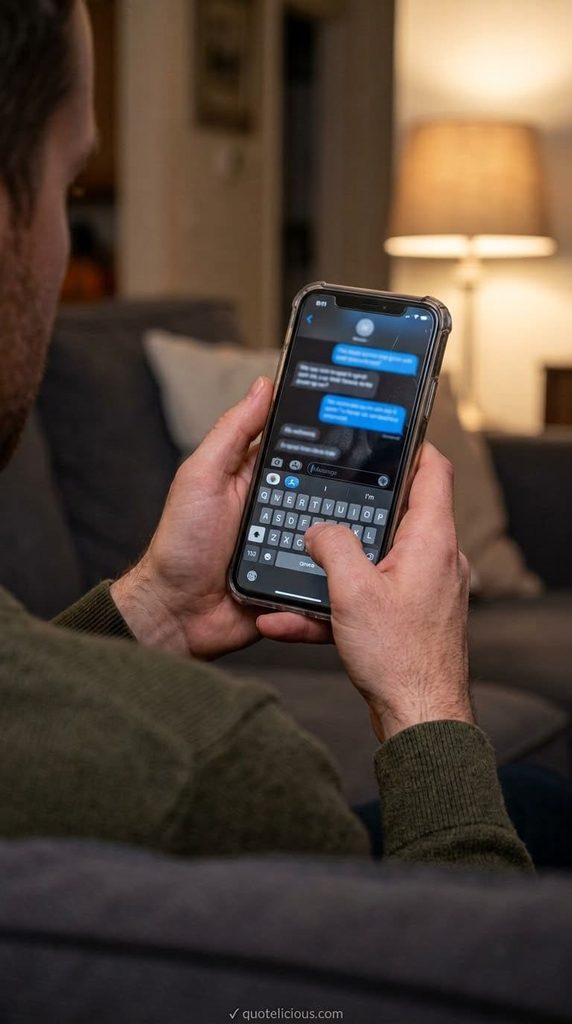
Good for close friends where a quick, warm reply matches how you two normally talk. Text works here because it gives them room to react privately, without having to perform a reaction in real time.
“I got the invite and I’m so happy for you both. I have to be honest, with the travel involved it’s just not something we can swing right now, and I didn’t want to leave you wondering. I’ll be thinking of you that day, and I’d love to celebrate with you another way when you’re back.”
By phone or in person

Better for a closer friendship, especially if you suspect they’ll have questions or feelings about it. A call carries tone, and tone is what tells them the no is about money and not about them.
“I wanted to talk to you before I sent the RSVP back. I’m so excited for you, and I’ve gone back and forth on this, but the travel cost just isn’t something we can manage right now with some other things going on. It has nothing to do with how much we want to celebrate you. I’d love to take you out for a proper toast before or after, whenever works.”
 Where to BuyDifficult Conversations: How to Discuss What Matters Most
Its core idea, separating what happened from what it means about the relationship, is the exact split you're making when you say the travel cost is the problem and the friendship isn't. Read it before the call, not after.
Shop NowThis post contains affiliate links. We may earn a commission on qualifying purchases at no extra cost to you.
By card or written note with the RSVP
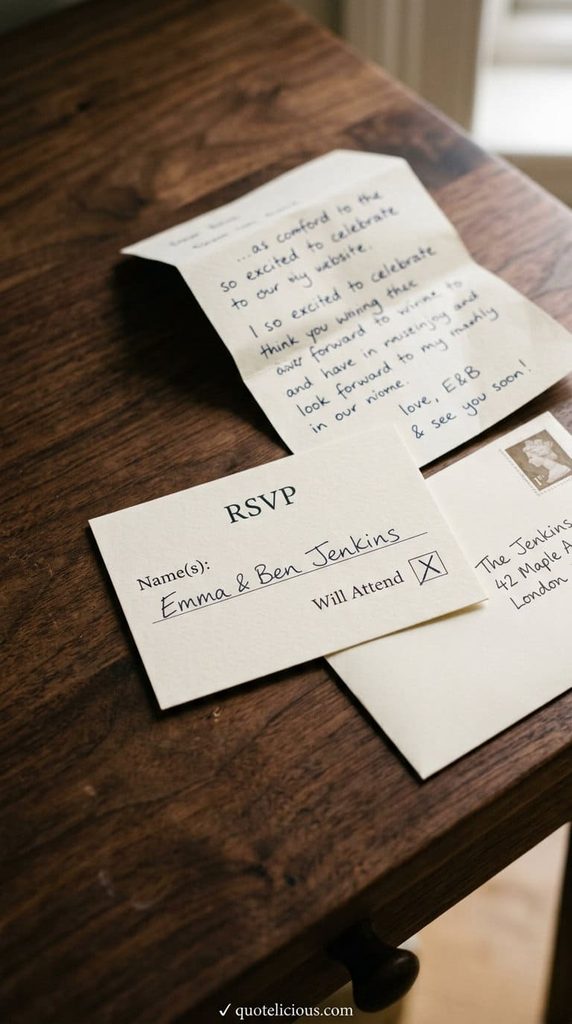
A short note tucked in with the RSVP card fits a more distant relationship, where a phone call would feel bigger than the friendship actually is. It also gives them something to file with the rest of their replies instead of a conversation they have to manage.
“Thank you so much for including us in your day. We won’t be able to make it, as the trip isn’t something we can take on right now, but we’re thrilled for you both and wanted to send our congratulations. Wishing you a beautiful day and a wonderful life together.”
How much notice to give
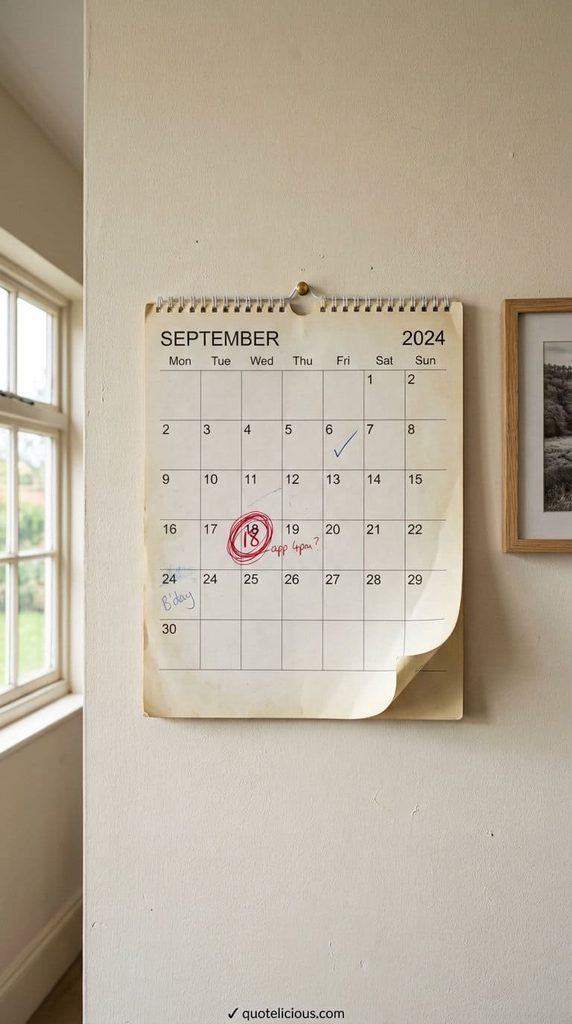
Tell them as soon as you know the answer is no, well before the RSVP deadline. Early notice does two concrete things. It lets the couple fix their headcount and catering numbers without a scramble, and it keeps your own decision from being a panic reaction to a date on a card.
Caterers usually want final numbers about two weeks out, and many venues charge per head from that point. So a no delivered a month early costs the couple nothing. The same no delivered ten days out can cost them a real plate charge.
If you’re honestly still weighing it, say that instead of guessing. “We’re still working out our travel budget for the year, can we confirm by the 12th?” is a fine thing to tell a couple. Most people would rather have an honest date than a premature yes.
Mini case study: Renata’s destination decision

Renata, 31, works in marketing. A close college friend was getting married in another country, and flights alone ran over $900 before a resort room-block minimum of four nights. She and her partner had just committed to a bigger emergency fund, and the trip wasn’t realistic.
She skipped the vague “we’ll see.” She called her friend and said plainly that the travel cost was the specific problem, not her enthusiasm for the wedding.
Her friend was disappointed. She admitted she’d been hoping Renata would be one of the few college friends who made the trip, which made the call harder than Renata expected even though it went about as well as it could.

They agreed Renata would host a smaller celebration once the couple got back. That softened things. But Renata noticed she wasn’t added to a few wedding-week planning threads afterward, a small real cost she’d accepted going in rather than something the conversation prevented.
Two things she’d repeat. She called instead of texting, and her friend later said hearing the disappointment in Renata’s voice mattered more to her than the decision. She also sent the gift ahead of the wedding date rather than after, which signaled the relationship was the thing she valued, not the invitation.
One thing she’d change. She waited about three weeks after the save-the-date arrived to make the call, and in that gap her friend had already told two people Renata was “probably coming.” That made the eventual no feel like a reversal instead of an answer, and Renata thinks the delay cost her more goodwill than the decline itself did.
When to loop in your partner or household
If you’re declining as a couple, get aligned before either of you replies. This matters most when only one of you was personally invited but the cost hits a shared budget.
Decide together how much detail to share and who delivers it. The couple getting married shouldn’t hear two different explanations from two different people a week apart.
Agree on the gift amount in the same conversation. Otherwise it turns into a rushed decision three days before the wedding, when you’re most likely to overspend out of guilt.
What not to say

Don’t fabricate a scheduling conflict. A fake excuse is easy to spot through social media, and getting caught in one does far more damage than an honest money reason ever would.
Don’t lay out your whole financial situation. One clear reason lands well. A long list of expenses reads as either an excuse pile-up or a request for the couple to excuse the gift too.
Don’t compare their wedding to someone else’s. Mentioning what another friend’s wedding cost implies a judgment about their choices, and that isn’t the point you’re making.
Don’t sit on it until the RSVP deadline. The couple needs headcount and seating numbers, and a late no costs them money you’re not offering to cover.
Don’t vanish from the group chat afterward. Staying warm in the planning talk, even without attending, shows the friendship wasn’t the thing you opted out of.
Don’t apologize more than once. Repeated apologizing invites them to reassure you, which turns your no into a conversation they have to manage on top of their own wedding.
FAQ

Do I still need to send a gift if I don’t attend?
It’s a kind gesture, not a requirement. A smaller gift or a warm card is a reasonable middle ground for someone you’re close to, and sending nothing is fine when the invite came from a distant connection.
What if they ask me to explain further after I decline?
Hold the same short answer without adding new detail. “It really does come down to the travel cost right now. I wish it were different, and I’m still so happy for you.”
Should I decline before or after checking flight prices?
Check first if there’s any real chance you’d go. Declining with numbers in hand, like “the flights alone were over $900,” reads as considered rather than reflexive.
Is it okay to decline the travel but still send a gift?
Yes, and it’s a common middle ground. Sending a gift or hitting the registry while explaining the trip isn’t workable keeps the celebratory gesture without the expense you can’t carry.
What if I already RSVP’d yes and need to change it?
Reach out the moment you know. Be direct about the reason, apologize once rather than repeatedly, and offer to cover any per-plate charge if the date is close and you can manage it.
Is it better to decline in writing or to call?
For a close friend or family member, a call is worth the effort. For a more distant acquaintance, a written note with the RSVP card is expected and completely appropriate.
What if I’m asked to be a bridesmaid or groomsman and can’t afford it?
Answer the role, not just the event. Ask for a rough total first, and if it’s out of reach, decline the role while confirming you’ll attend as a guest, which is a much easier yes for both of you.
Does declining for money reasons hurt the friendship long term?
From what I’ve seen, usually not, though the first few weeks can feel cool. The friendships that struggle afterward tend to be ones where the person went quiet after declining, not ones where the money was named honestly.
Get the scripts in one place
Download the In-Law Money Boundary Script Pack (free PDF). One page per situation, including weddings, gifts, and showers. No email sequence, no upsell, and you can print it and keep it in a drawer.
Recommended reads
Difficult Conversations: How to Discuss What Matters Most by Douglas Stone, Bruce Patton, and Sheila Heen. Its core idea, separating what happened from what it means about the relationship, is the exact split you’re making when you say the travel cost is the problem and the friendship isn’t. Read it before the call, not after.
The Art of Gathering: How We Meet and Why It Matters by Priya Parker. Parker explains why guest lists carry so much meaning, which is why an RSVP feels heavier than any other calendar decision. It also reframes attendance as a real choice instead of a default obligation.
Set Boundaries, Find Peace: A Guide to Reclaiming Yourself by Nedra Glover Tawwab. Her chapters on guilt fit the specific ache of turning down someone you love. If you over-explain your finances when you decline things, this is the book that gets you to stop at one sentence.
Related:
- Money Talk & Scripts: Pillar Guide
- How to Respond When Family Guilt-Trips You About Inheritance or Money
- What to Say When a Friend Asks to Borrow Money (And You Want to Say No)
- How to Say No When In-Laws Ask You to Pay for Their Trip
- How to Respond When Your Parents Keep Asking You for Money
- What to Say When You Can’t Afford to Split the Bill Evenly
Products We Recommend
This post contains affiliate links. We may earn a commission on qualifying purchases at no extra cost to you.
Difficult Conversations: How to Discuss What Matters Most
Its core idea, separating what happened from what it means about the relationship, is the exact split you're making when you say the travel cost is the problem and the friendship isn't. Read it before the call, not after.
Shop Now
The Art of Gathering: How We Meet and Why It Matters by Priya Parker.
Parker explains why guest lists carry so much meaning, which is why an RSVP feels heavier than any other calendar decision. It also reframes attendance as a real choice instead of a default obligation.
Shop now
Set Boundaries, Find Peace: A Guide to Reclaiming Yourself by Nedra Glover Tawwab
Her chapters on guilt fit the specific ache of turning down someone you love. If you over-explain your finances when you decline things, this is the book that gets you to stop at one sentence.
Shop nowNever miss an update — choose Quotelicious as your preferred source on Google.
How it works: Tap the button below to open Google's settings page, then check the box next to Quotelicious.
Tap the checkbox to turn it blue — that's how you know it's set.